Getting around Morocco without renting a car
Published 1 min read
Morocco rewards moving around, and the distances between its cities are longer than a map suggests. Before you decide how to cover them, it helps to see them all at once — measured on the road network, not estimated.
| Route | Distance | Free-flow drive |
|---|---|---|
| Casablanca → Rabat | 92 km | 1 h 12 |
| Rabat → Fez | 202 km | 2 h 20 |
| Casablanca → Marrakech | 242 km | 2 h 51 |
| Marrakech → Agadir | 246 km | 2 h 57 |
| Rabat → Tangier | 247 km | 2 h 52 |
| Casablanca → Fez | 299 km | 3 h 25 |
| Marrakech → Rabat | 319 km | 3 h 37 |
| Casablanca → Tangier | 343 km | 3 h 56 |
| Tangier → Fez | 403 km | 4 h 39 |
| Casablanca → Agadir | 461 km | 5 h 05 |
| Marrakech → Fez | 526 km | 5 h 51 |
| Rabat → Agadir | 541 km | 5 h 54 |
| Marrakech → Tangier | 570 km | 6 h 21 |
| Agadir → Fez | 746 km | 8 h 06 |
| Tangier → Agadir | 791 km | 8 h 39 |
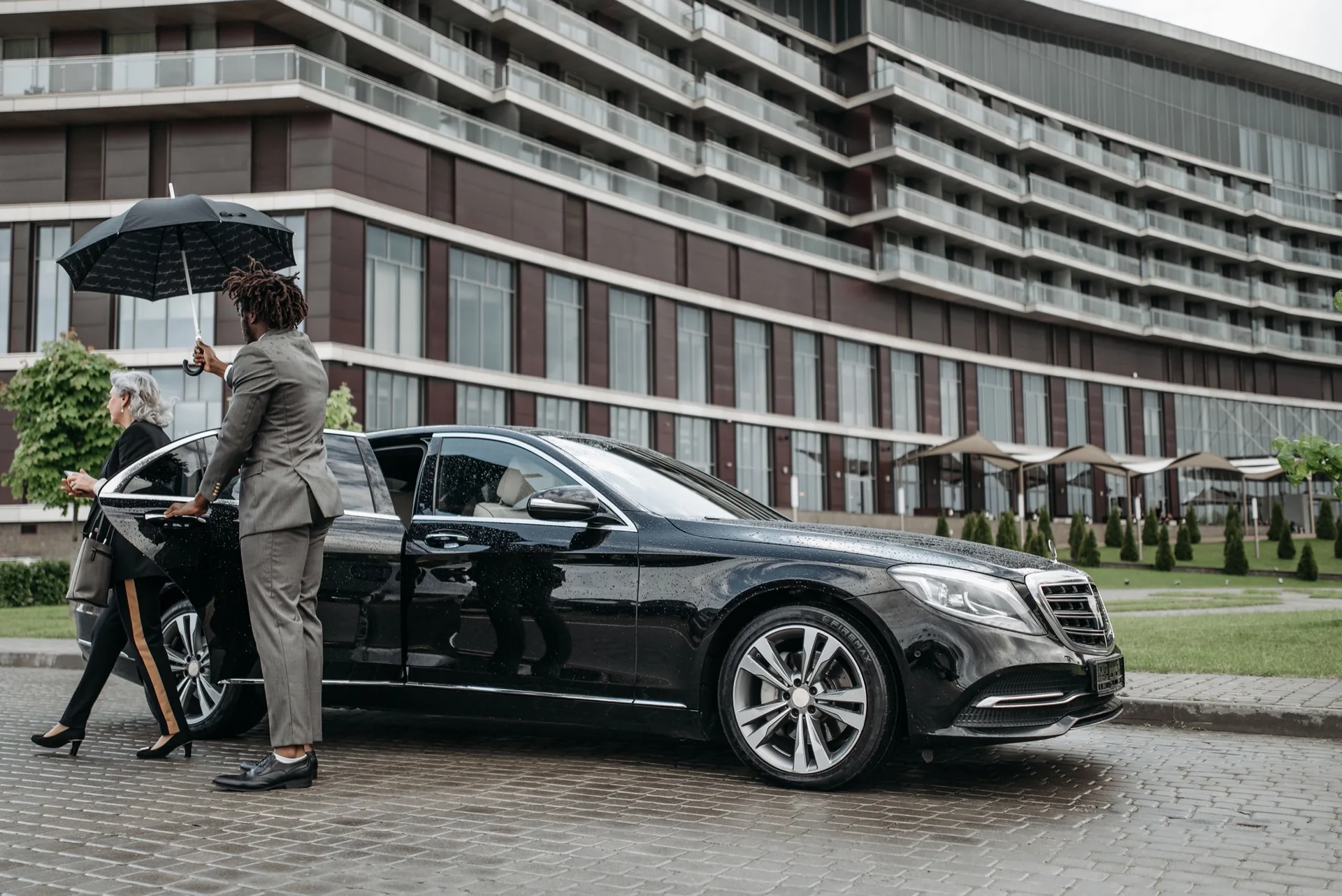
A rental car is the obvious answer and often the wrong one. City medinas are not built for driving, parking is a genuine constraint, and the intercity legs above are long enough that arriving tired matters. A chauffeured car turns each leg into working or resting time, and removes the two parts of driving in an unfamiliar country that actually cost you: navigation and parking.
The durations above are free-flow road estimates. They do not include stops, city traffic at either end, or the coffee you will want halfway to Agadir. Use them to compare legs against each other, not to promise anyone an arrival time.
Distances measured on 10 September 2026 from road-routing data.